


Smithtown, New York · Seller's guide
Selling Your House in Smithtown, NY
Thinking of selling your Smithtown home? Then you're likely asking what every owner asks. What would it bring? What's worth fixing, and what should be left alone? What will it cost me to sell? And who can I trust with something this big?
I'm Mia Kaiser, Licensed Real Estate Salesperson. I live in Smithtown, and I sell homes in Smithtown and across Long Island out of the Signature Premier Properties office on West Main Street. Here is what I would tell you if we sat down together.
About me
Why Smithtown sellers call me.
When someone asks who should sell my home in Smithtown, these are the facts I'd want them to have.
Licensed Real Estate Salesperson
Licensed in New York since 2022, number 10401363475. Signature Premier Properties, Licensed Real Estate Broker, is my brokerage, and I help Smithtown sellers from its office, 7 West Main Street, Smithtown. Office (631) 360-2800. Mobile (631) 385-6024. I also hold the SRES and SRS designations.
Former paralegal, escrow officer and closer
I've worked as a real estate paralegal, a title escrow officer and a title closer, and every Smithtown seller gets the benefit of that.
27 homes sold for their owners
Prices ran from $345,500 to $1,575,000, and 23 of the 27 sold at or above the asking price.
I live in Smithtown
My home and my office are both in Smithtown.
I walk your Smithtown house myself
Every room and the outside too, before we say a word about price.
24 written reviews, all five stars
Posted on Google by people I've worked with. Read them on my About page.
Smithtown numbers
What is happening in Smithtown right now.
Data courtesy of OneKey MLS as distributed by MLS GRID as of October 2026. Read the latest report. A single month can swing when the number of sales is small.
How I read these numbers
Put this October next to last October. The median sale price barely moved, $825,000 then and $830,000 now, and it looks like nothing happened. But the typical home that sold last October was 2,487 square feet, and this October it was 1,975. Buyers paid about the same money for about 500 fewer square feet. Per square foot, the median went from $362 to $450, the highest of any month in the sixteen I looked at.
I wouldn't call that a trend off of 28 sales. It could simply be which houses happened to close. What it does tell you is that one median can hide what's really going on, and it's why I don't quote one at people.
The other thing I watch here is how fast the mood changes. February was the softest month of the past year: homes sold for 98.86 percent of asking, and fewer than half reached their asking price. One month later, in March, 93 percent did, in a median of 13 days. Then closings piled up, with 33 in July, 40 in August and 43 in September, before dropping to 28 in October. A seller who decides based on how the market felt two months ago may be reading an old newspaper.
Setting a number
What is your home really worth?
Almost everybody comes to me already holding a number. It came from a website, or from what the neighbor said at a barbecue, or from what you paid plus what you put in. The websites work from public data and math, and they can't tell that your kitchen was done last year. Neighbors round up. And the market doesn't know what you spent. A buyer looks at the house as it stands and compares it with what else they saw that weekend.
Selling a home in Smithtown starts with a different exercise. I walk through your house, every room and the outside too. Then we sit down with sales that genuinely resemble it and go through them together, closed prices only, and you see the reasoning. What you get from me is a range, and my honest view of where in that range to begin. Edward M. wrote that I helped them find "the right sale price range," and that's how I think about it. There's rarely one perfect number. There's a smart place to start. If you'd like a rough figure first, request a value estimate online, and then let me come see the place.
What goes into the comparison
- How recent it is. What Smithtown homes bring can change quickly from one month to the next. A comparable sale is only as good as the month it came from.
- What shape it was in. Two houses can share a floor plan and be worlds apart once you count the roof, the basement and the heating system.
- How the space works. A finished lower level often doesn't count the way owners expect on an appraisal, even when it's the nicest room in the house. A bedroom you reach by walking through another bedroom costs money, too.
- The lot and the road. A flat yard you can actually use is one thing. A steep one, or a busy street out front, is another.
- The taxes. The monthly payment is what a buyer really compares, and a heavy tax bill raises it.
- The competition. Closed sales tell us about the past. The homes for sale this week are who you'll be up against.
The urge to start high and leave room
It feels sensible, and it usually costs people money. The buyers most ready to act are watching for new listings, and they'll come in the first two weeks. If your price makes sense to them, you'll know fast. If it doesn't, they don't send you a polite lower number. They go look at the next house, and by the time the price comes down, they've stopped paying attention. Of the 27 homes I've sold, 23 closed at or above asking, and I'd credit pricing for that more than anything clever I did in a negotiation.
The urge to start low and draw a crowd
A price set slightly light on purpose can pull a crowd, and competition can carry it up. But that's a tactic, not a rule, and it needs buyers who are out in force and a house they truly want. Used in a quiet stretch, the low number can end up being the number.
Who gets the last word on a high price
When a buyer is financing, a bank appraiser gets a say, and excitement doesn't show up in an appraisal. If bidding carries a house past what recent sales can support, the gap has to come from somewhere: the buyer's pocket, your price, some of each, or the deal ends. I want to know which sales an appraiser would likely use before we put a number out in public.
Curious where your house lands?
Next month or next year, I'm glad to go through it with you.
Talk about your homePrep
How I'd get your home ready.
The first thing I do is walk through with you and tell you what I see. Plenty of people assume the answer is a renovation, and it very rarely is. Buyers knock a lot off for anything that seems expensive and structural, and very little for a dated look. A new kitchen installed just to sell is seldom paid back. Most of the work that matters costs sweat more than money.
Thin it out, then thin it out again
Start with what's in sight from the front door and get a good third of it out of the house. Then go back and do the closets, because people will open them, and a closet stuffed to the door says the house is short on storage. The garage and the basement count as well. Empty the kitchen counters down to one or two things. Every room should have a purpose a stranger can read in three seconds. You'll be packing soon regardless, so this is a head start.
Get it cleaner than it has ever been
Grout, oven, baseboards, light fixtures, the tracks of the sliding door. If there's room in the budget, hire a crew once for the whole place. Then deal with anything that smells. A closed-up lower level can pick up a musty note you stopped noticing years ago, and so can a house with pets or a smoker in it. Run a dehumidifier for a couple of weeks, and ask me, because I'll tell you honestly what I smell.
Make every room brighter
Raise the shades and take down anything heavy on the windows. Wash the glass, which costs an afternoon and changes every room. Replace dead bulbs so all the lights are the same warm color. In a dark room, a pale coat of paint is about the most you can get for the money.
Hide the evidence of old problems
Paint over the stain on the ceiling from the leak you already fixed. Otherwise a buyer assumes it's still leaking, and then starts wondering what else is. The same goes for the blistered sill in the bathroom and the patched spot in the drywall. If it's solved, it should look solved.
How I'd rank where the money goes
- What's dangerous or still happening. Active water, a shaky railing, a bad outlet. These go ahead of anything cosmetic.
- What reads as neglect. Worn-out carpet, a musty smell, weeds through the walkway.
- What makes people wince. The dripping tap, the bathroom fan that rattles, the storm door that won't latch. One is nothing. A dozen is a message.
- Neutral paint and tired flooring. If you have a few thousand dollars, this is usually where I'd put it.
- Kitchens and baths, hardly ever. A dated room that's clean and works is fine. A lot of buyers would rather choose their own and won't pay extra for yours.
The big items a buyer tallies
The roof, the boiler or furnace, any oil tank, the windows, the wiring and the cesspool or septic. Buyers put a mental price tag on each one, and it usually runs a bit higher than the real one. Pull the invoices for anything you've replaced, because receipts are worth real money. For anything you haven't, we don't automatically replace it. We set the price with that in mind.
The three things on a buyer's mind
Could I live here? What will I end up spending once I'm in? And what's wrong that I can't see? All of this preparation exists to settle those three questions early. Once the worry goes, people begin deciding where their sofa would sit, and then a strong offer becomes possible.
If there's an oil tank
Tell me early, above ground or buried, because New York's disclosure statement asks about it. The Suffolk County Health Department says fuel oil tanks don't have to be removed unless they're leaking, though the State's guide says a bank or buyer is likely to ask. I wrote up the details for Smithtown homes here.
Tie off the loose ends
If you've added on or finished something over the years, make sure the work was signed off. It's a much quieter conversation in week one than it is in week seven.
Selling it just as it stands
Some people have no appetite for a project, and that's fine. We'd price it for its condition, tell the truth about what you know and let a buyer who wants the work take it on. There's a market for that house, too.
Wondering what to skip?
Hold off on spending anything until I've seen the place.
Have me walk through itYour debut
Getting it in front of the right buyers.
Chances are your buyer's first look will happen on a phone, in the middle of something else, so the pictures have to earn the click. Selling a home in Smithtown gets much easier when those first few images are good. You'll have professional photographs, taken after the house is ready. People get that order wrong all the time.
Your list for photo day
- Move the cars and put the bins where no camera will find them.
- Clear the bathroom counters and the front of the refrigerator.
- Put the pet bowls, the laundry and the remotes out of sight.
- Raise every shade and turn on every lamp.
- Cut back what's blocking the front of the house and edge the walk.
One launch, finished
I don't put a house on the market until the pictures, the description and the documents are done. You're only new once, and I'd rather wait four days than launch something half finished and try to fix it in public. Don't let anyone talk you into testing a high number for a few weeks to see what happens. Buyers notice, and they remember.
Showings and open houses
I'll tell you straight whether an open house makes sense for your home, and if it does I'll run it. Rachael Seigleman wrote that I was "wonderful at hosting the open house." Either way, buyers need room to talk. They'll open the closet and say out loud what they really think, and they won't do that with you standing in the kitchen. Take the dog for a good long walk. You'll get the feedback as it comes in, including the parts that sting. If four different people say the same thing about the basement, you need to hear it now.
Weighing it up
The highest offer isn't always the one you want.
Everyone looks at the price first. I look at how likely that price is to still exist on closing day. A strong number from a shaky buyer can cost you five weeks and your place in the market. I'll line the offers up, give you my honest opinion, and leave the decision with you, because it's your house and your money.
What I look at past the number
- The money behind it. Cash or a mortgage? A letter from a lender who actually reviewed income and assets is a very different thing from a quick online pre-qualification.
- The down payment. It tells me how much cushion there is if the appraisal comes up short.
- The contingencies. If they have a house of their own to sell, your sale is only as solid as theirs.
- The closing date. A higher price with a timeline that wrecks your move may not be higher at all, once you've paid for storage and a second moving day.
New York is unusual here: nobody is bound by an accepted offer until contracts are fully signed. So the days between "we accepted" and "we signed" are when deals quietly die, and getting to signed contracts quickly matters a great deal.
Several offers at once
We'd set a deadline, ask everybody for their strongest terms and lay them out on one page. Then you choose. Sometimes the right pick is the second-highest number, and I'll say so if I think it is.
When the inspection report lands
It's going to be long. A report with forty items doesn't mean the house has forty problems. We'll sort it into three piles: what's a real defect, what's routine upkeep, and what's a buyer testing their luck. You don't owe anyone a perfect house, and you don't have to say no to everything either. If something big comes up, a credit at closing is often cleaner than a rushed repair, and your attorney can put that in writing.
What selling a home in Smithtown will cost you
| Commission | Open to negotiation, and agreed in writing up front. |
|---|---|
| Your attorney | New York sellers hire their own lawyer to handle the contract and closing. Ask what the fee is at the outset. |
| New York transfer tax | $2 per $500 of the price, normally the seller's to pay. On an $800,000 sale, that's $3,200. |
| Mortgage payoff | Your lender gets paid at the closing, including interest through the payoff date, before you see a dollar. |
| Adjustments | Property taxes and similar items get split according to who owned the house on which days. |
Your attorney will have the exact figures. I'd just ask for your net number at the start, not the end, because it decides almost everything else.
Under contract
From accepted offer to closing.
Once there's a deal, the file tends to go quiet for two months, and that quiet stretch is where sales actually come apart. I've worked as a paralegal, an escrow officer and a closer, so I stay with your sale through every one of these steps. Allow about six to ten weeks after both signatures are on the contract, and expect the buyer's lender to set the pace.
- Attorneys are named. Yours drafts the contract, so choose one early and have your documents in a pile.
- The buyer inspects. This normally comes before anybody signs, so the back and forth happens now.
- Your disclosure goes over. You fill out New York's property condition disclosure statement from what you actually know, and the buyer has it ahead of any binding contract.
- Contracts are signed and the deposit is paid. The deposit sits in escrow with your attorney. Now it's real.
- The lender does its work. The appraisal is ordered and underwriting begins. It's usually the quietest stretch and the one most likely to make you anxious, so I check where things stand.
- Title comes back. A title company confirms you can deliver the property free and clear. An old mortgage that was paid off but never formally satisfied, a name that doesn't match the deed, a shed over the property line: nearly all of it can be fixed, and all of it takes time.
- Walk-through and closing. The buyer checks that the house is as promised, you sign, your mortgage is paid off and the balance is yours. Leave it broom clean, with the keys and the garage remotes.
Harder sales
When it isn't simple.
People usually call me because something changed. Those sales need patience as much as a plan. Erin Giordano's review put it this way: "Mia made what was a very complicated and emotional situation, seamless."
A house that came to you
When you're settling an estate, start with who can legally sign. The estate's attorney can answer that. Everything else follows from that. Keep the insurance current and the utilities on, and take the contents one room at a time. I can help you find the people you'll need. Barbara Roberto, selling a house for the first time after a death, wrote: "She explained everything clearly and was in constant communication with me throughout this entire ordeal."
Moving to something smaller
Give yourself more time than you think you need. Start with the room nobody uses, decide what comes along before you decide what stays, and have your next address in mind before we choose a date. Shannon Hatzichristos wrote, "She respected our attachment to our home and understood what we were looking for in our next home." You don't have to be in a hurry to call me.
Selling and buying together
First find out what you'd actually clear after the payoff and the costs. Then talk to a lender about whether you can buy before this sale closes. You can sell first and move somewhere temporary, buy first if you can carry both, or close both on the same day, with your sale funding first. Jessica Santomauro called it "easy and exciting, even with the bumps that come with selling and buying at the same time."
Selling from somewhere else
You can be out of state for the whole thing. I'll keep you up to date and handle access at the house. Signing from a distance is something your attorney can arrange. Patricia Murphy wrote, "We reside out of state so were grateful to work with a capable and reliable agent."
When you're not sure you're ready
Then let's just talk, and I won't bring a listing agreement. Leaving a home means something, and a year out is a fine time to start the conversation. Jessica Santomauro wrote this about the moment before she called: "I have been talking about selling for a while...it was time. However I was extremely nervous."
Reviews
What my sellers say.
"She laid out a clear game plan and executed every step perfectly."
Edward M., Google review, October 2026
"She listed our house at the right price and succeeded in getting us a strong offer that was well over ask."
Rachael Seigleman, Google review, September 2024
"I never felt like "just another client." She always made herself available to answer questions, calm my worries, and make sure I felt confident throughout the entire journey."
Carole Newell, Google review, May 2026
"Her patience and determination to get our deal done was beyond appreciated."
Raquel Latona, Google review, November 2026
"She did a lovely job staging, held open houses and managed the sale negotiations efficiently from start to finish."
Patricia Murphy, Google review, March 2024
"As a first time home seller, I had no idea what was involved, but Mia's experience made the sale of this house seamless from start to finish."
Barbara Roberto, Google review, May 2023
My sales
Homes I've sold.
These are among my latest, all with me on the seller's side, and the full list is on my Sold page.

280 Holbrook Road, Ronkonkoma
$840,000
Sold November 2026
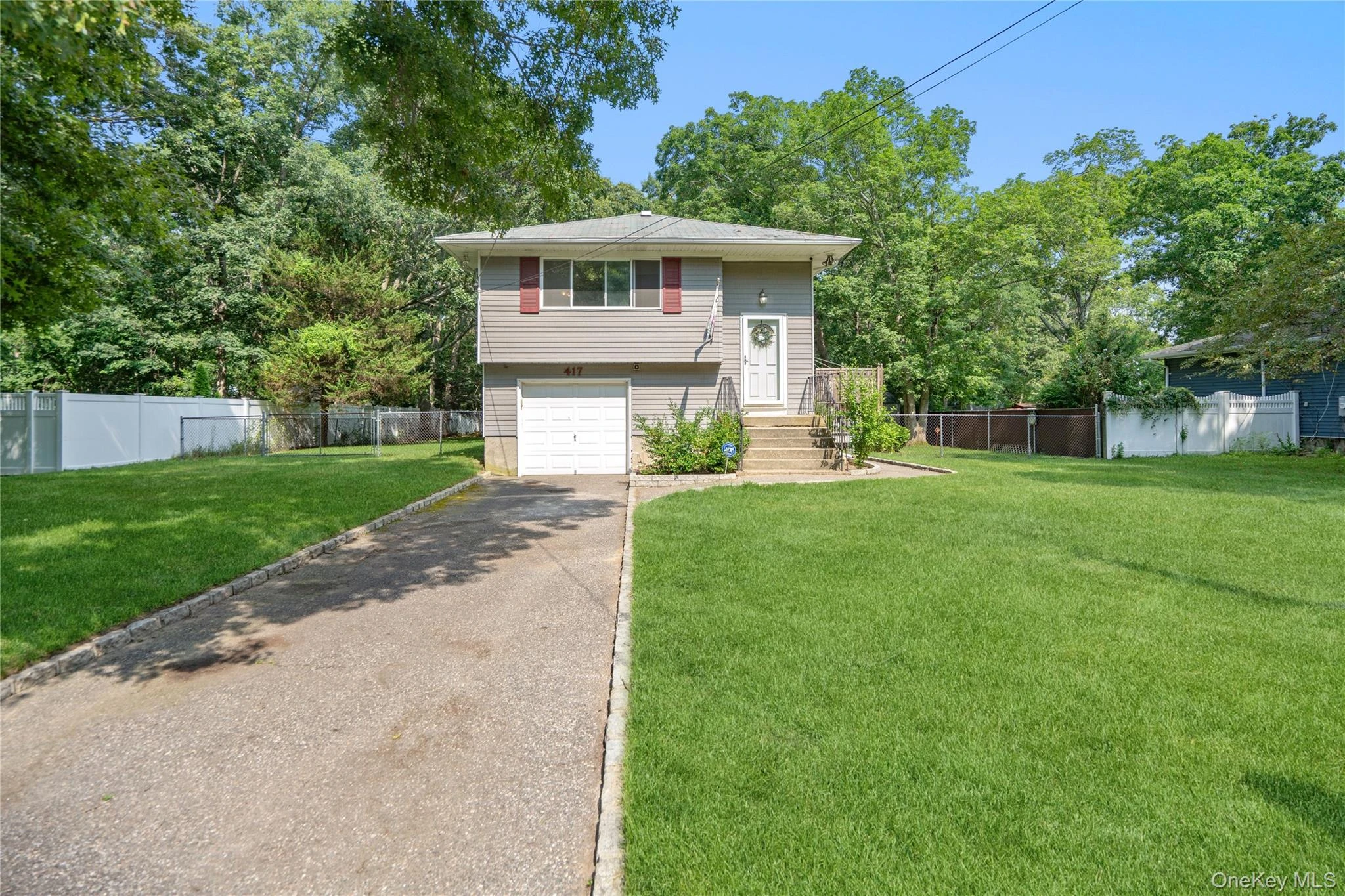
417 Winters Drive, Mastic
$540,000
Sold October 2026
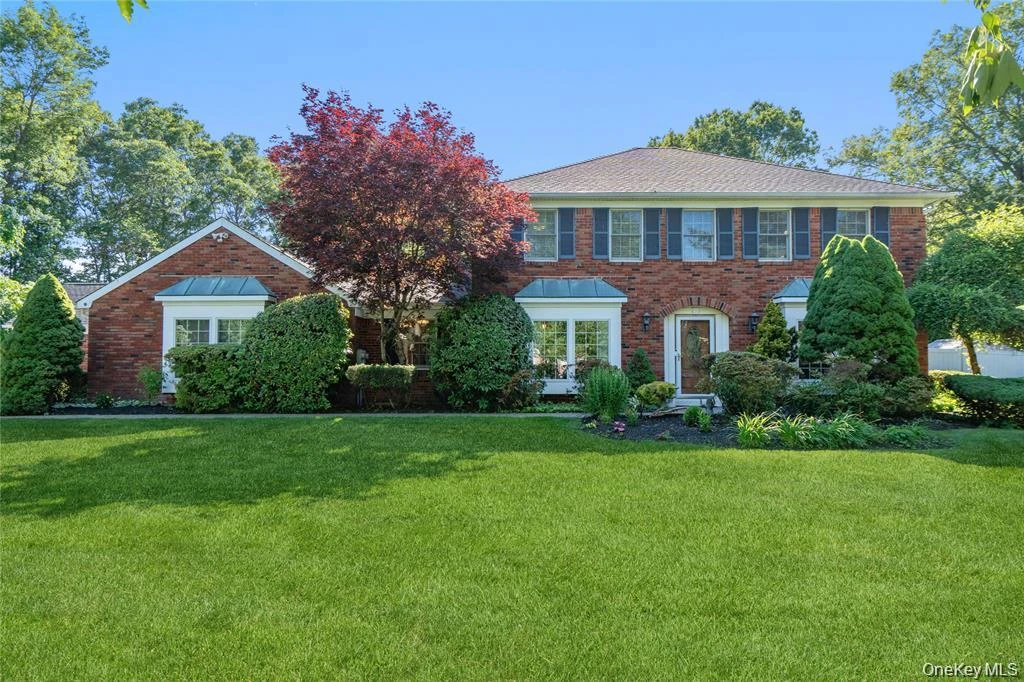
15-17 Park Woods Lane, Kings Park
$1,575,000
Sold October 2026

8 Oswego Drive, Bay Shore
$645,000
Sold September 2026
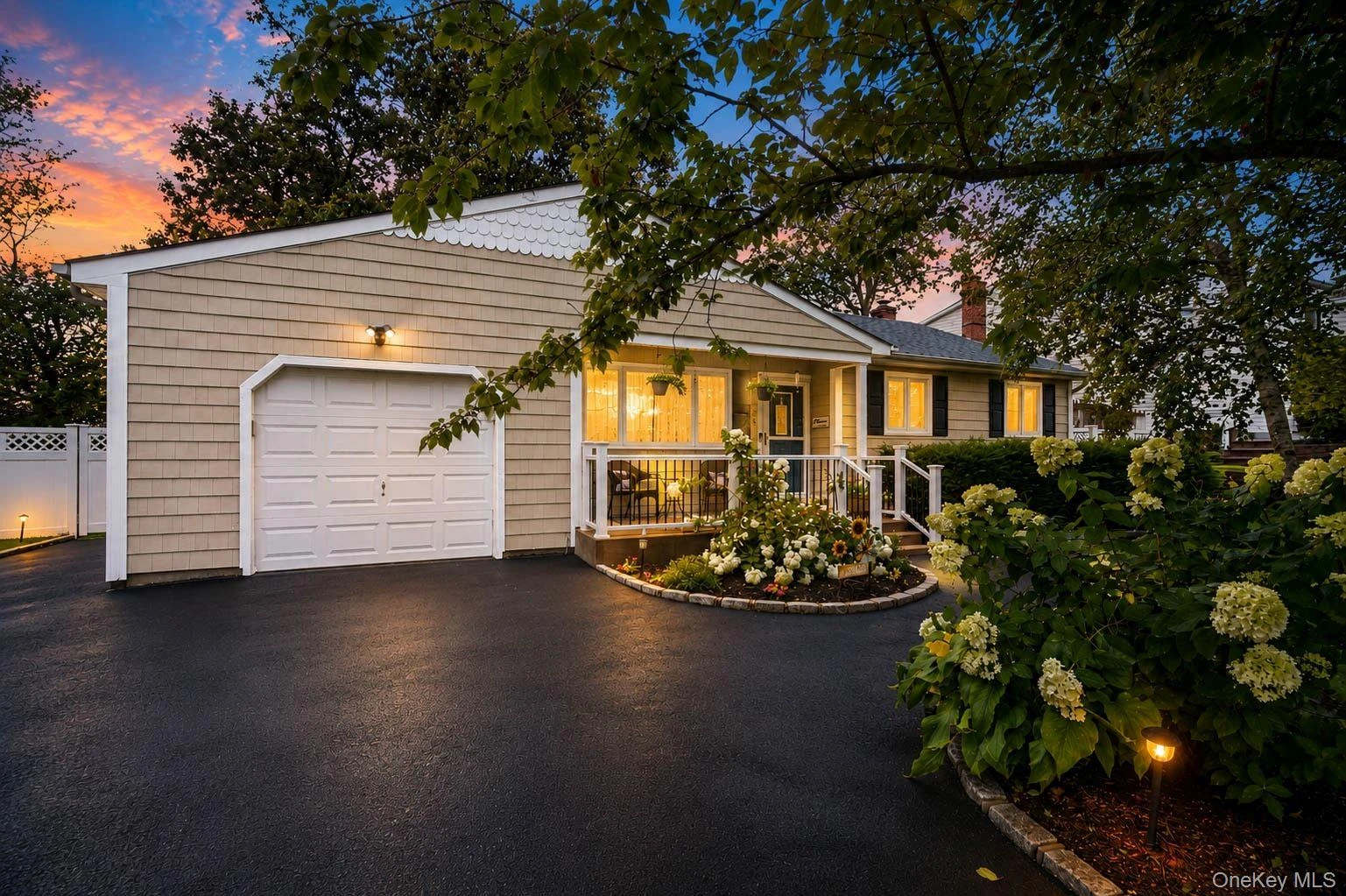
333 Ontario Street, Ronkonkoma
$675,000
Sold September 2026

22 Forest Avenue, Port Jefferson Station
$600,000
Sold July 2026
Before you decide
What Smithtown sellers ask me.
These come up in nearly every first conversation.
Who should sell my home in Smithtown?
I'm Mia Kaiser, Licensed Real Estate Salesperson, and I sell homes in Smithtown and across Long Island through Signature Premier Properties. I've sold 27 homes for their owners, and 23 of them went at or above asking. Before I say a word about price, I personally walk every house. Mobile: (631) 385-6024.
How long does a Smithtown sale usually take?
The panel above shows how long Smithtown homes are taking right now, and the pace here can shift quickly. After that, allow roughly six to ten weeks between signed contracts and the closing, and the buyer's lender usually drives that. A financing hiccup or a slow title issue can stretch it, and those are things I watch for early.
Should I wait for spring?
Smithtown's slow months don't stay slow for long. If your house is ready and you need to move, I wouldn't sit out the winter on principle.
What is my Smithtown home worth?
The median above is the middle of a lot of very different houses, and yours could land well above or well below it. An online estimate can start the conversation. To finish it, I'd need to walk through the house, and then we'd sit down with the closed sales that truly resemble it.
What should I fix before selling?
Give me your budget first, even if it's zero. At zero, we thin out, clean up and get the price right. With a few hundred dollars, I'd go after the small repairs that make people wince. With a few thousand, paint and floors. Past that, I'd want to see your specific house before you spend another dime.
What happens if the first price is too high?
You can always reduce it, but those first weeks don't come back. The early crowd has gone elsewhere by then, and whoever comes next wonders why it has been sitting. When a house gets looked at and draws nothing, the trouble is usually price against condition. When nobody comes to look at all, it's usually the price or the pictures.
Will someone buy it as is?
Yes. It will be priced to reflect its condition, and you still have to be honest about what you know. Some buyers go hunting for a place they can fix up.
Should I stay home during showings?
I'd rather you didn't. Buyers relax when you're gone and they stay longer, and I get much more honest feedback from them afterward. We'll work out times that fit your week.
I've already moved out. Can you still sell it?
Yes. I can handle access and keep an eye on the condition of the house, and I'll keep you posted the whole way through. Signing from a distance is something your attorney can arrange. An empty house can feel smaller than it is, so we may want a few pieces of furniture back in it.
Is the first offer usually the one to take?
Sometimes, so give it a real look before you say no. Whoever shows up in the first days has often been shopping for months, and an early bid can turn out to be the strongest you'll see. What matters is how its terms stack up and whether that buyer can actually get to closing.
How much do I have to disclose?
You fill out New York's property condition disclosure statement from what you actually know, and the buyer gets it before anything binding is signed. Go over it with your attorney. In my experience, telling the truth about a problem is cheaper than having it found.
Who decides the commission?
You and I do. Commission is negotiable, and what we agree goes on paper at the start. We'll go over exactly what you'd pay and what you'd get for it, so nothing surprises you later.
When you're ready
If you're ready to sell your home in Smithtown, let's talk.
If you've been wondering who should sell my home in Smithtown, start with a conversation. There's no charge and no commitment, whether you're moving next month or sometime next year. I'll come see the house, and you'll get a straight answer.
